
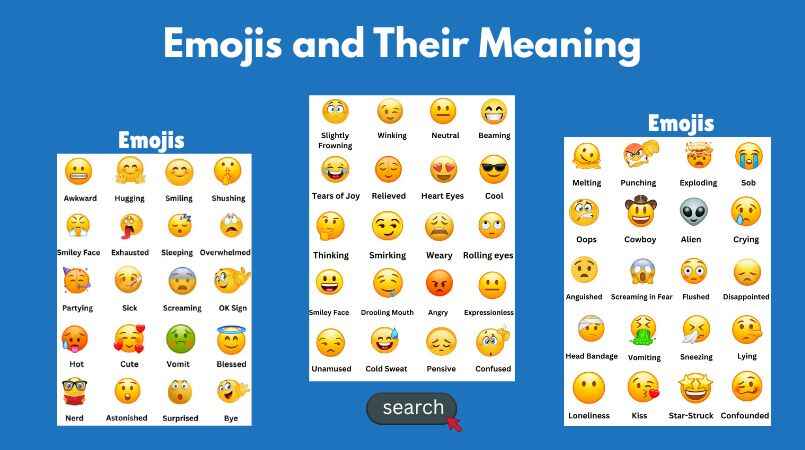
Emojis have become a big part of our daily conversations. Whether we are chatting with friends, posting on social media, replying to customers, or writing a short message, emojis help us express feelings quickly. Sometimes, one emoji can say more than a full sentence.
In this blog post, we will explain common emojis and their meaning in English with images, so you can understand them clearly and use them correctly.
What Are Emojis?
Emojis are small digital icons used to show emotions, objects, actions, weather, food, people, and many other ideas. They are commonly used in text messages, WhatsApp chats, Facebook posts, Instagram captions, emails, and comments.
For example, the smiling face emoji 😊 shows happiness, while the crying face emoji 😢 shows sadness.
List of All Emoji Names
- Slightly Frowning
- Winking
- Neutral
- Beaming
- Tears of Joy
- Relieved
- Heart Eyes
- Cool
- Thinking
- Smirking
- Weary
- Rolling eyes
- Grinning with smiling eyes
- Rolling on the Floor Laughing
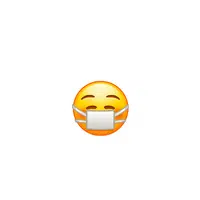
- Face with Medical Mask
- Head Bandage
- Yummy
- Cold
- Monocle Face
- Slightly Smiling
All Emojis and Their Meaning in English With Images
Slightly Frowning:
Shows mild sadness, disappointment, or dissatisfaction through a small downward curve of the mouth.

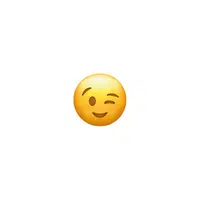
Winking:
Closing one eye briefly to express friendliness, humour, playfulness, or a suggestive meaning.
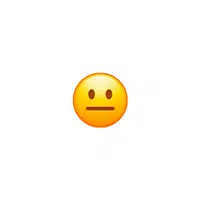
Neutral:
Shows no clear emotion, reaction, or personal opinion.
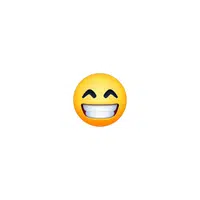
Beaming:
Shows great happiness, excitement, or joy with a big bright smile.
Tears of Joy:
Represents laughing so hard that tears appear in the eyes.

Relieved:
Shows comfort, calmness, or peace after worry, stress, or difficulty.

Heart Eyes:
Expresses strong love, admiration, attraction, or appreciation.

Cool:
Represents confidence, calmness, approval, or a relaxed attitude.
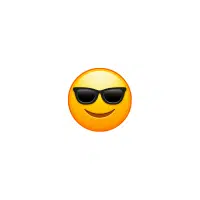
Thinking:
Shows deep thought, curiosity, questioning, or careful consideration.
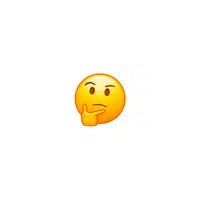
Smirking:
Shows a teasing, playful, confident, or slightly mischievous smile.

Weary:
Represents tiredness, exhaustion, stress, or emotional fatigue.
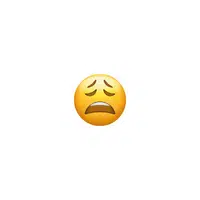
Rolling Eyes:
Shows annoyance, frustration, disbelief, or irritation.

Grinning with Smiling Eyes:
Represents genuine happiness, amusement, or excitement with a broad smile.

Rolling on the Floor Laughing:
Shows extreme laughter, as if someone is laughing uncontrollably.
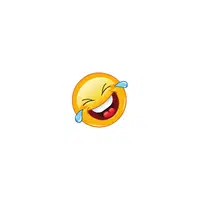
Face with Medical Mask:
Represents illness, protection, hygiene, or avoiding germs and pollution.
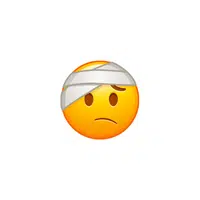
Head Bandage:
Shows injury, pain, recovery, or a wound on the head.
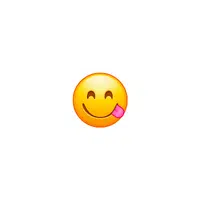
Yummy:
Expresses that something tastes delicious or enjoyable.
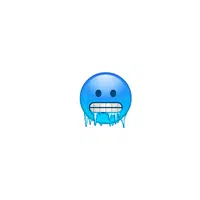
Cold:
Represents feeling very cold, chilly, or affected by low temperature.
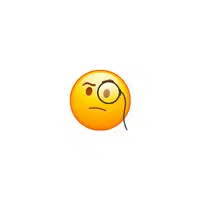
Monocle Face:
Shows curiosity, seriousness, intelligence, sophistication, or careful inspection.
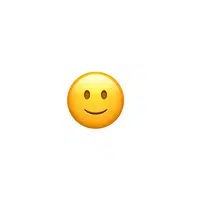
Slightly Smiling:
Shows gentle happiness, politeness, calmness, or slight contentment.
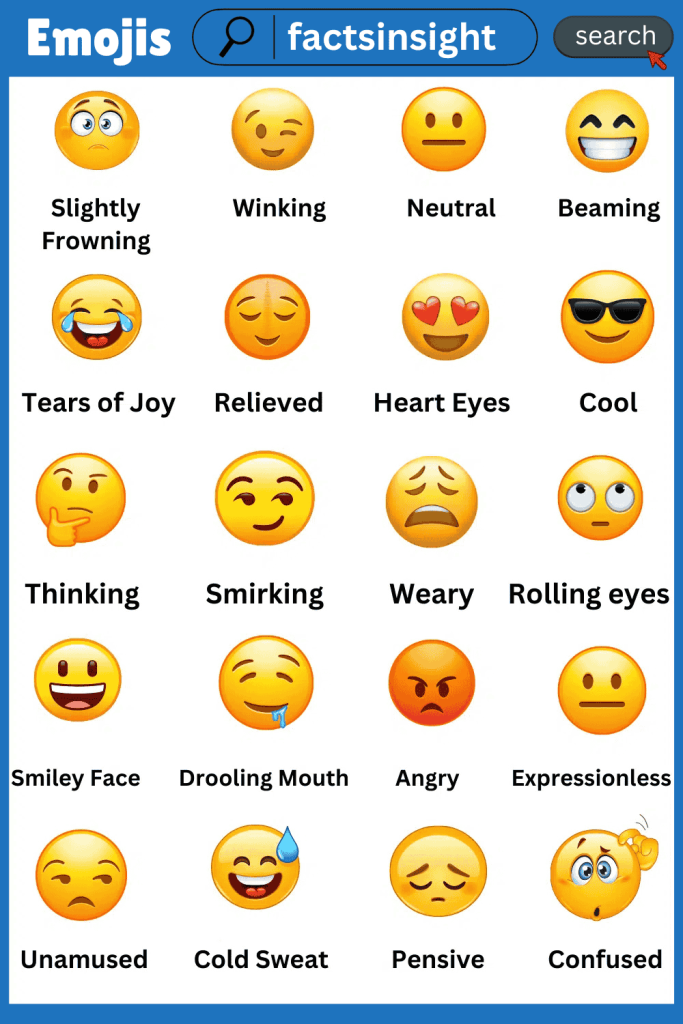
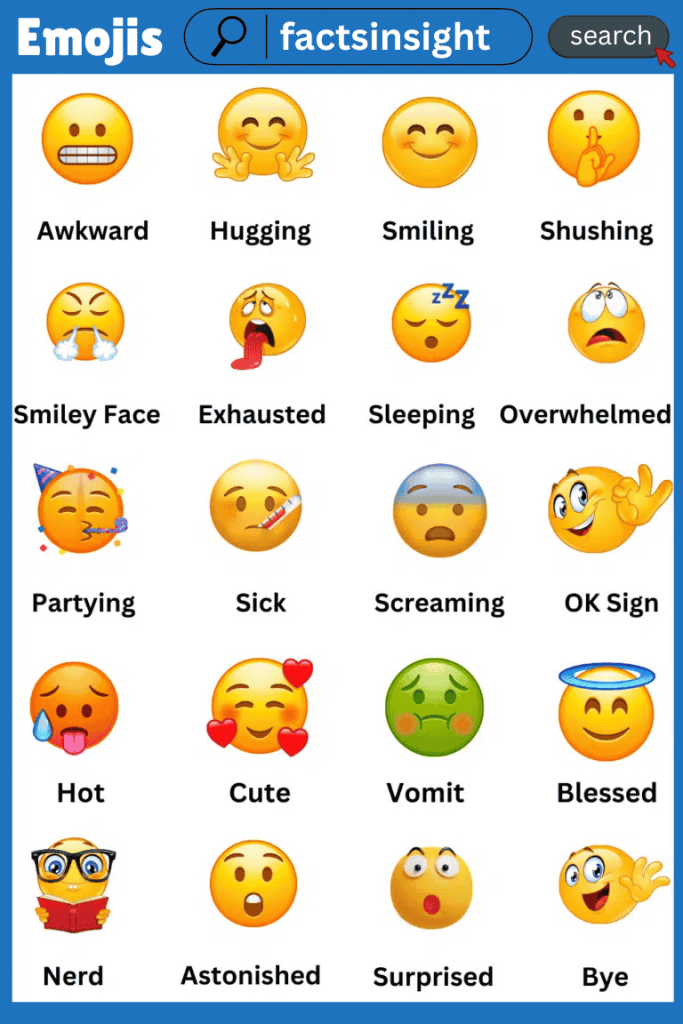
20 Emojis meanings list
- Hot
- Cute
- Vomit
- Confounded
- Smiley Face
- Drooling Mouth
- Angry
- Expressionless
- Unamused
- Cold Sweat
- Pensive
- Confused
- Awkward
- Hugging
- Smiling
- Shushing
- Exhausted
- Sleeping
- Overwhelmed
- Partying
- Sick
- Screaming
- OK Sign
Emojis and Their Meaning in English with Images
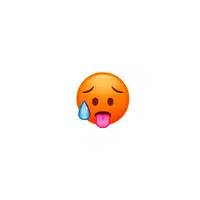
Hot:
Represents feeling very warm, overheated, or affected by high temperature.
Cute:
Describes something or someone that looks sweet, charming, lovable, or adorable.
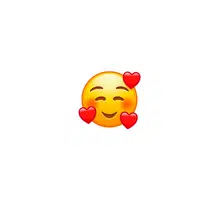
Vomit:
Shows nausea, sickness, or the act of throwing up.
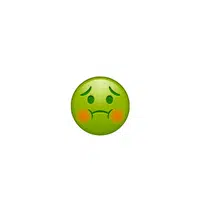
Confounded:
Represents confusion, shock, frustration, or being unable to understand something clearly.
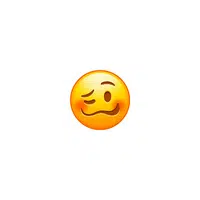
Smiley Face:
Shows happiness, positivity, friendliness, or a cheerful mood.
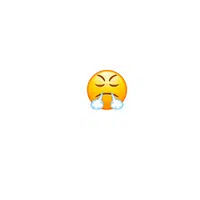
Drooling Mouth:
Expresses strong craving, desire, or excitement, especially for delicious food.

Angry:
Shows strong irritation, displeasure, frustration, or anger.
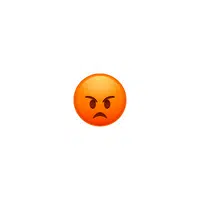
Expressionless:
Represents a blank face with no visible emotion, reaction, or feeling.
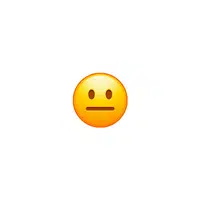
Unamused:
Shows boredom, annoyance, disappointment, or lack of interest.

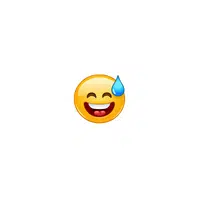
Cold Sweat:
Represents nervousness, anxiety, stress, embarrassment, or relief after a tense moment.
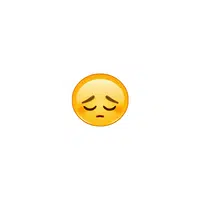
Pensive:
Shows deep thought, sadness, reflection, or quiet seriousness.
Confused:
Represents uncertainty, doubt, or difficulty understanding something.

Awkward:
Shows discomfort, embarrassment, nervousness, or an uneasy social moment.
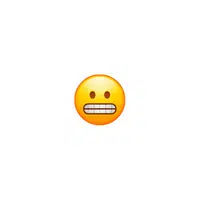
Hugging:
Represents affection, care, support, warmth, or giving someone a virtual hug.

Smiling:
Shows happiness, pleasure, kindness, or a friendly mood.

Shushing:
Represents asking someone to stay quiet or keep something secret.
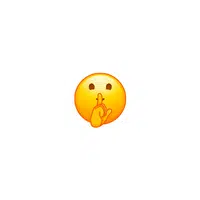
Exhausted:
Shows extreme tiredness, low energy, stress, or mental and physical fatigue.

Sleeping:
Represents sleep, rest, tiredness, or peaceful relaxation.
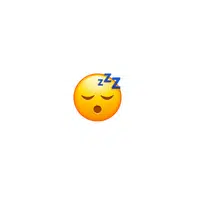
Overwhelmed:
Shows being emotionally stressed, shocked, overloaded, or unable to handle too much at once.
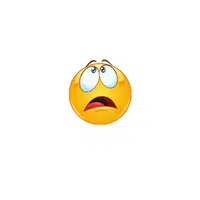
Partying:
Represents celebration, excitement, fun, or enjoying a special event.

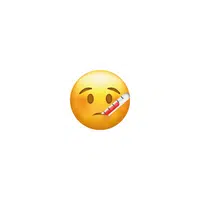
Sick:
Shows illness, feeling unwell, nausea, fever, or poor health.
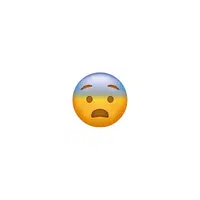
Screaming:
Represents fear, shock, panic, surprise, or a loud emotional reaction.
OK Sign:
Shows approval, agreement, acceptance, or that everything is fine.

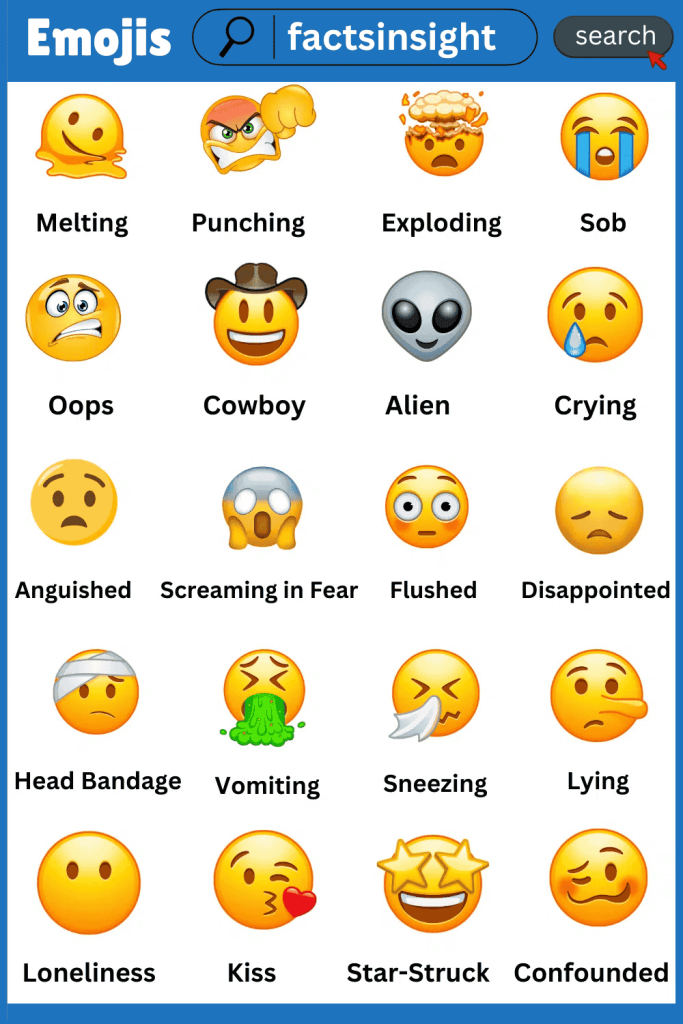
Names of Emojis in English
- Blessed
- Nerd
- Astonished
- Surprised
- Bye
- Melting
- Punching
- Exploding
- Sob
- Oops
- Cowboy
- Alien
- Crying
- Anguished
- Screaming in Fear
- Flushed
- Vomiting
- Sneezing
- Lying
- Loneliness
- Kiss
- Star-Struck
- Frowning
Emoji Meanings in English with Pictures
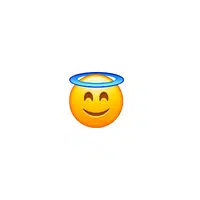
Blessed:
Represents feeling lucky, thankful, protected, or favoured by something greater.
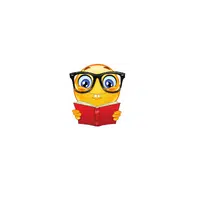
Nerd:
Describes someone who is highly intelligent, studious, or deeply interested in a specific subject.
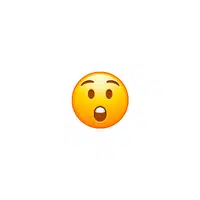
Astonished:
Shows extreme surprise, amazement, or shock.
Surprised:
Represents a sudden reaction to something unexpected or startling.

Bye:
Used as a casual way to say goodbye or wave farewell.

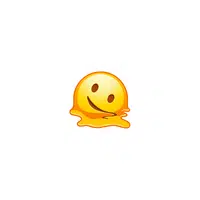
Melting:
Shows something softening, fading, or melting because of heat, embarrassment, love, or strong emotion.
Punching:
Represents hitting with a closed fist, often used to show strength, anger, action, or impact.

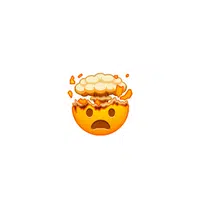
Exploding:
Shows a powerful burst or explosion, often used to express shock, excitement, anger, or emotional overload.
Sob:
Represents crying deeply, loudly, or uncontrollably because of sadness or distress.
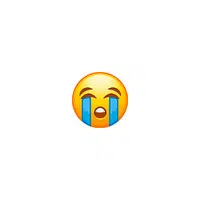
Oops:
Used when someone makes a small mistake or reacts with mild surprise or regret.

Cowboy:
Represents a cowboy style, western attitude, confidence, adventure, or independence.

Alien:
Shows an extraterrestrial creature, space-related idea, or something strange and unfamiliar.

Crying:
Represents sadness, pain, disappointment, or emotional hurt.

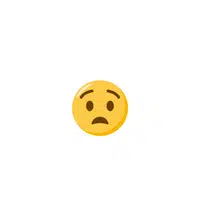
Anguished:
Shows intense emotional pain, worry, fear, or distress.
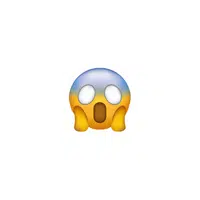
Screaming in Fear:
Represents extreme fear, panic, horror, or shock.
Flushed:
Shows embarrassment, excitement, shyness, nervousness, or a blushing reaction.

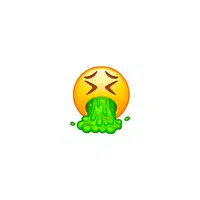
Vomiting:
Represents throwing up, nausea, sickness, or feeling physically unwell.
Sneezing:
Shows sneezing due to illness, allergies, dust, or irritation.
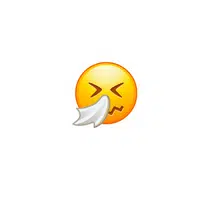
Lying:
Represents dishonesty, hiding the truth, or saying something false.
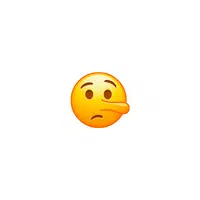
Loneliness:
Shows feeling alone, isolated, emotionally distant, or unsupported.
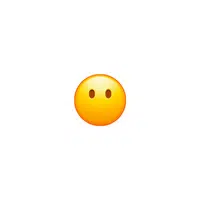
Kiss:
Represents affection, love, romance, care, or sending a kiss.

Star-Struck:
Shows being amazed, impressed, excited, or fascinated by someone or something special.
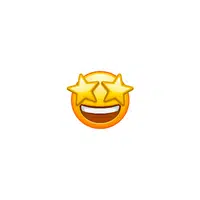
Frowning:
Represents sadness, disappointment, displeasure, or dissatisfaction.

Common Emojis and Their Meaning in English
Smiling Face:
Happiness, kindness, or a friendly mood
Example Use: I am happy to see you 😊
Face with Tears of Joy:
Something is very funny
Example Use: That joke was so funny 😂
Red Heart:
Love, care, or affection
Example Use: I love this gift ❤️
Thumbs Up:
Approval, agreement, or good job
Example Use: Great work 👍
Crying Face:
Sadness or emotional pain
Example Use: I miss you 😢
Heart Eyes:
Love, admiration, or strong liking
Example Use: This dress is beautiful 😍
Smiling Face with Sunglasses:
Cool, confident, or stylish
Example Use: Looking cool today 😎
Angry Face:
Anger or frustration
Example Use: I am really upset 😡
Screaming Face:
Shock, fear, or surprise
Example Use: I can’t believe this happened 😱
Folded Hands:
Prayer, thanks, or request
Example Use: Thank you so much 🙏
Party Popper:
Celebration, success, or happiness
Example Use: Congratulations 🎉
Fire:
Amazing, trending, or excellent
Example Use: Your new post is fire 🔥
Broken Heart:
Heartbreak, sadness, or disappointment
Example Use: That news broke my heart 💔
Thinking Face:
Thinking, confusion, or questioning
Example Use: I am not sure about this 🤔
Sleeping Face:
Sleepiness or tiredness
Example Use: I am very tired today 😴
Loudly Crying Face:
Deep sadness or strong emotion
Example Use: This movie made me cry 😭
Grinning Face:
Excitement or big happiness
Example Use: I passed my test 😁
Smiling Face with Halo:
Innocent, kind, or good behaviour
Example Use: I did nothing wrong 😇
Hugging Face:
Warmth, support, or a virtual hug
Example Use: Sending you hugs 🤗
Face Savoring Food:
Tasty food or enjoyment
Example Use: This pizza is delicious 😋
Neutral Face:
No strong feeling or emotion
Example Use: I don’t know what to say 😐
Rolling Eyes:
Annoyance, sarcasm, or disbelief
Example Use: Not this again 🙄
Grimacing Face:
Nervousness or awkward feeling
Example Use: That was awkward 😬
Star-Struck:
Excitement or amazement
Example Use: This place is amazing 🤩
Smiling Face with Hearts:
Love, warmth, or affection
Example Use: You are so sweet 🥰
Clapping Hands:
Appreciation or praise
Example Use: Well done 👏
Hundred Points:
Perfect, complete, or excellent
Example Use: Your answer is correct 💯
Check Mark:
Correct, done, or approved
Example Use: Task completed ✅
Cross Mark:
Wrong, cancelled, or not allowed
Example Use: This option is not correct ❌
Party Face:
Celebration or excitement
Example Use: Happy birthday 🥳
Smiling Face with Sweat:
Nervous laugh or relief
Example Use: That was close 😅
Winking Face with Tongue:
Joking or playful mood
Example Use: I was just kidding 😜
Relieved Face:
Peace, comfort, or calmness
Example Use: Finally, everything is okay 😌
Face with Steam:
Frustration, pride, or anger
Example Use: I worked really hard 😤
Handshake:
Agreement, deal, or partnership
Example Use: We have a deal 🤝
Flexed Biceps:
Strength, effort, or confidence
Example Use: Keep working hard 💪
Eyes:
Looking, watching, or curiosity
Example Use: I saw that 👀
Light Bulb:
Idea, creativity, or solution
Example Use: I have a new idea 💡
Rocket:
Growth, speed, or success
Example Use: Let’s grow this business 🚀
Star:
Excellence, beauty, or special quality
Example Use: You are a star 🌟
Final Words
Emojis are a simple but powerful way to express emotions in digital communication. By understanding emojis and their meaning in English, you can use them better in chats, social media posts, captions, and even business messages. Whether you want to show happiness 😊, love ❤️, sadness 😢, success 🎉, or approval 👍, emojis can help you communicate your message quickly and clearly.
FAQs About Emojis and Their Meanings
What does 😊 mean in English?
The 😊 emoji means happiness, friendliness, kindness, or a positive mood.
What does 😂 mean?
The 😂 emoji means something is very funny or makes you laugh a lot.
What does ❤️ mean?
The ❤️ emoji means love, care, affection, or strong liking.
What does 🙏 mean?
The 🙏 emoji can mean prayer, thanks, respect, or a polite request.
What does 🔥 mean on social media?
The 🔥 emoji means something is amazing, trending, stylish, or excellent.
Can I use emojis in professional messages?
Yes, you can use emojis in professional messages, but use them carefully. Simple emojis like ✅, 👍, and 🙏 are usually safe for business communication.

Factsinsight.com is a leading blog that focuses on creating high quality, interesting and useful content about technology. We are a group of experienced writers who know a lot about the world of tech and love to stay abreast of the latest trends and developments. Our aim is to give useful and real knowledge to our people.