
Having a business that spans multiple locations is a great achievement. But the fact is that it brings unique challenges, and one such is SEO. Without a professional agency backing you up, it can be challenging to get ahead of competitors, and that is especially true when talking about local SEO.
The solution is to ensure that companies not only look at country-wide or international solutions but also focus on local SEO to ensure success. The goal is to be consistent with both types of branding and improve the trust and credibility of your business.
10 Effective Local SEO Strategies for Multi-Location Businesses:
1. Optimize Google Business Profile for Location
The most vital part of local SEO always starts with Google My Business profiles, and it is easy to understand why. It is the single most powerful asset that a business has, which can help get more people aware of your brand. Ensure that you claim and verify your business listing so you have a profile that people can look up.
It is important to include any and all details that you can about your business, including name, category, and description. Another vital task that you need to check is adding the correct location for each of your branches. Since GMB ties in with Google Maps location services, check if you’ve added it properly.
2. Ensure Consistent Nap Details Across Directories
Name, Address, and Phone number (NAP) is one of the most critical aspects of local SEO, but many businesses still make mistakes. Duplicate or erroneous entries when it comes to NAP can seriously hamper your SEO potential. Having a team to validate your NAP details across directories, social media platforms, and other public platforms is a good idea.
Have systems in place that can monitor new additions and validate their correctness automatically. One way to ensure that all NAP details are consistent is to have a centralized document that contains all your updated NAP details. Members of your team updating details could refer to that for the correct information. This becomes of paramount importance when talking about multi-location businesses.
3. Build Dedicated Landing Pages for Each Store
The importance of store or location-specific landing pages simply cannot be overstated. Each location should have a unique URL, and it should be clearly labeled as a location or city at the end. It should also have a detailed address and phone number listed so people can visit or get in touch with the specific branch.
Copying and pasting the same description and other details will only leave users confused. Take the time to create unique service descriptions and additional information that can come in handy. It is a good idea to include location-specific offers and promotions that can get more people through the door. Stand out from the other branches by adding unique images of your storefront and staff.
4. Include Location-Based Keywords in Content
To ensure success when it comes to local SEO, you need to signal intent. The best way to improve relevance is to include location-based keywords in all your content for a specific branch. Targeting city and service combinations is a great way to match user queries. “Coffee shop in London” is an example of what you can add to your content to make it more locally relevant.
For longer format content, adding hyperlocal terms like landmarks or neighborhoods is a great way to improve relevance. Check if your image alt tags also include location-based names because that is important for local SEO. Remember that you should never resort to keyword stuffing as that can turn off readers and will not fare well with Google searches either.
5. Showcase Location-Specific Reviews and Testimonials
Customer reviews are a critical part of building business trust and credibility. But another way to leverage reviews with a bit of local flavor is to include them on custom landing pages. Have the option for each store to collect location-specific reviews from its patrons. These reviews should then directly link to the store’s corresponding landing pages.
Highlighting these unique experiences in a specific branch can really improve the trust factor. Encourage customers to add pictures or videos along with their reviews. For locations that don’t have a lot of traffic, run review campaigns and other promotions to get more. Don’t forget to respond promptly to all reviews without being unprofessional at any stage.
6. Draw High-Quality Local Backlinks
Building backlinks has always been a huge factor when it comes to SEO, and it gains even more importance with local SEO. The advantage of local link building is that businesses can come up with truly creative collaborations to get more coverage online.
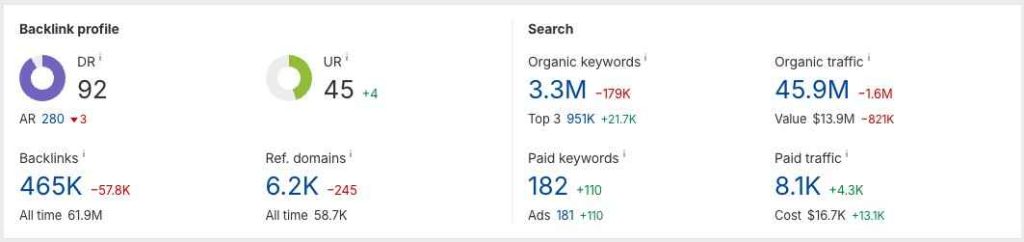
Partnering with complementary local businesses is a great idea to get people interested.
An example of this is if you own a car dealership, then collaborate with a car wash service to give your customers a discount. Sponsoring community events that feature in the public eye goes a long way to establishing local credentials for a business. Publishing press releases for your store at specific locations is an effective way to get the word out to journalists and news websites.
7. Implement Local Business Schema
To get better local rankings, you need to work on adding the Local Business schema for each brand separately. Verify that all NAP details are correct and uploaded in the correct section for directories. These NAP details should also be included in the markup. To improve ease of access and accuracy, ensure that geo-coordinates are also included for precision.
Ensure that you use the correct business category in the schema to prevent misinterpretation of data. It is also advisable to include the link to the schema and its respective landing page. Before you add the schema, run it through Google’s Rich Results Test to check if everything displays correctly.
8. Drive Local Traffic With Geotagged Content
Geotagged images are a powerful way to leverage local traffic to your website. Ensure all images that you share of the store and staff are geotagged to the same location as your store. Create a framework for location-specific long-form articles that mention popular landmarks and other local interests. Content that mentions or covers local events or other important community stories can help increase visibility.
When it comes to social media posts, research on trending hashtags locally in the area, only use photos that you have ownership of, and it should have a local flavor for the best results. To get more local traction, also consider promoting location-specific deals through your ads and social media posts.
9. Identify Issues With Not Ranking for Local 3-Pack
The target for every local SEO campaign is to ensure that a business is featured on the local 3-pack or map pack.
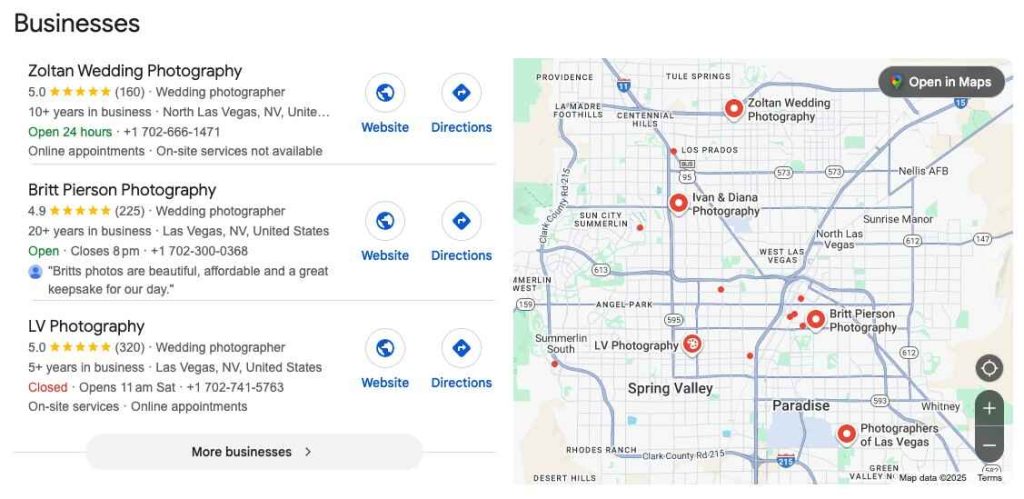
Check for any details that you’ve left out in your GMB profile and add or optimize them as required. There are also chances of category mismatches, which can lead to you being ranked lower than your competitors.
Carry out competitor analysis of your top 5 competitors to understand where you are lacking. Backlink quality is a huge factor when it comes to ranking differences. Collaborate with local influencers and other authority brands to improve your backlink profile strength. Identify thin content and pages with low engagement and work to resolve them.
10.Leverage Tools Like Heatmaps and Analytics
There are various powerful tools and analytics that can help you identify where your business’s local SEO strength is low. These tools can represent data in numerous ways, including heatmaps and metrics that can give you the proper picture and what you need to do. Analyze user behavior and response to various posts that you create to understand their needs better.
Analyze keyword performance based on each location to further improve coverage. Ensure that you extensively A/B test various aspects of your store, like CPC ads, page titles, headings, and other SEO assets, to get the best performing ones. It’s a good idea to track bounce rates and scroll depth to improve landing page performance for each location.
Key Takeaways
- Leverage location-specific landing pages to improve visibility locally and appeal to more niche users.
- Create a consistent digital storefront by optimizing NAP details across all directories and social media platforms.
- Optimize your Google My Business page and verify that you have added all the correct information about your business.
- Build a powerful backlink profile to get more local authority and credibility.
- Drive more traffic to your website and store through hyperlocal content and optimization.

Factsinsight.com is a leading blog that focuses on creating high quality, interesting and useful content about technology. We are a group of experienced writers who know a lot about the world of tech and love to stay abreast of the latest trends and developments. Our aim is to give useful and real knowledge to our people.